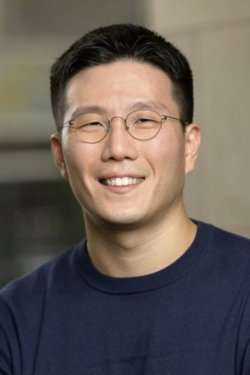
Seungjae Lee
2026 Regional Award Finalist — Post-Doc
Current Position:
Research Scholar
Institution:
Memorial Sloan Kettering Cancer Center
Discipline:
Molecular & Cellular Biology
Current Position:
Research Scholar
Institution:
Memorial Sloan Kettering Cancer Center
Discipline:
Molecular & Cellular Biology
Recognized for: Identifying a novel mechanism of RNA regulation mediated by metabolic proteins with implications for improving therapeutics that work by silencing RNA of disease-causing genes.
Areas of Research Interest and Expertise:
RNA Biology, Metabolism, Biochemistry, Molecular Biology, Genetics
Previous Positions:
BS, Korea University, South Korea (Advisor: Dr. Kyung Hee Paek)
MS, Korea University, South Korea (Advisor: Dr. Young Sik Lee)
PhD, Korea University, South Korea (Advisor: Dr. Young Sik Lee)
Postdoctoral Research Fellow, Memorial Sloan Kettering Cancer Center (Advisor: Dr. Eric C. Lai)
Research Summary:
RNA interference (RNAi), a system that uses complementary RNA sequences to target and control expression of aberrant and disease-causing genes, is both a powerful experimental tool and a therapeutic mechanism. Molecular biologist Seungjae Lee, PhD, has uncovered a critical link between cellular metabolism and RNAi. Lee’s work unlocks both translational potential to enhance current RNAi therapies, and a new fundamental paradigm where RNA biology and metabolism are deeply interconnected. To this end, Lee has developed a suite of computational tools to explore diverse aspects of RNA expression and regulation, providing insight into neuronal transcription during aging.
“Small RNAs have emerged as a powerful new class of medicines, but increasing their activity inside cells remains a critical challenge. In my research, I have discovered that ALAS1, a metabolic enzyme previously known only for its role in heme production, unexpectedly suppresses RNA interference, a fundamental pathway used by both natural and therapeutic small RNAs. My work uncovered a previously unrecognized connection between cellular metabolism and gene regulation and demonstrated that inhibiting ALAS1 can enhance the potency of RNA-based therapies. My research continues to uncover how metabolites directly regulate RNA function, opening new avenues for treating cancer, aging, and other diseases.”
Key Publications:
Other Honors:
2026 Tri-Institutional Breakout Prize for Junior Investigators
2024 Kravis WiSE Travel Grant
2023 MSK Postdoctoral Research Award
2021 MSK Society Scholars Prize
2020 New York State Stem Cell Science (NYSTEM) Postdoctoral Training Award
2019 Korea University Graduate School Best Paper Award
In the Media: